CRSACD – About Us
Background
Time and space are both crucial dimensions in historical research. The rapid development of society and the ever-changing environment can affect our understanding of early communities, leading to biased interpretations and analyses. Therefore, collecting folk documents left behind by earlier generations — and understanding history from their perspective rather than through official narratives — has become a central focus in the study of local Chinese communities. This approach has also gained prominence in recent years.
In view of this, the Centre for Research on Southeast Asian Chinese Documents (CRSACD) was established in 2020 as a collaborative academic initiative between Xiamen University Malaysia (XMUM), Xiamen University (XMU) in China, and the National University of Singapore (NUS). The Centre is headed by Associate Professor Chiu Yuon Tay, with Professor Zheng Zhenman and Professor Ding Ho Sheng serving as Honorary Advisors.
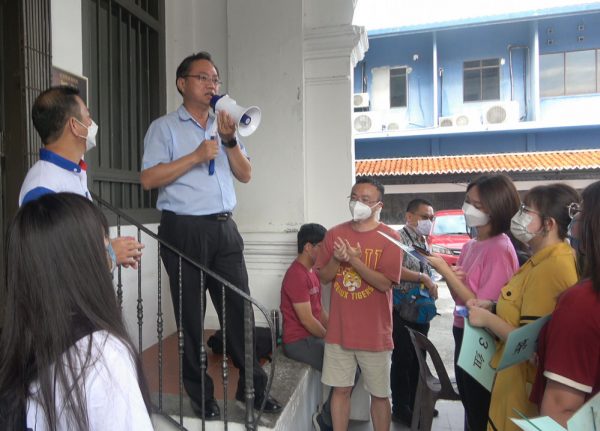
The Centre is generously supported by Professor Ding Ho Sheng, Professor Wang Ruifang (President of Xiamen University Malaysia), Ms. Lee Siew Mei (Chairperson of Fiffy Baby Product), Mr. Cheng Ping Keat (Chairperson of the Khind Starfish Foundation), and Ms. Yang Fangyi (Chairperson of Owl Consultancy). It is dedicated to the collection of Malaysian Chinese folk documents, the advancement of related humanistic studies, and the training of young scholars in Malaysian Chinese history and culture.
Objectives
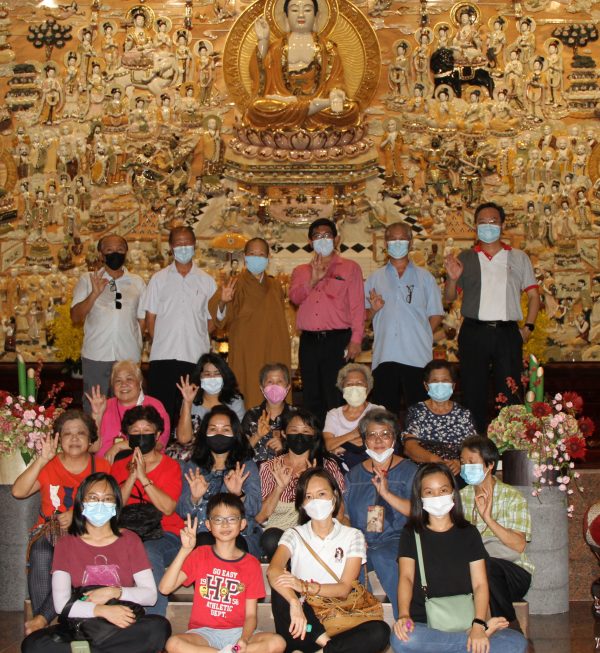
Chinese society and history. Through systematic fieldwork and interviews conducted across towns, villages, and fishing settlements, the Centre collects local cultural documents produced by various Chinese community organizations.
These materials will be integrated with other Chinese and English archival resources to fill the gaps left by official records. The Centre will establish four major databases focusing on “Chinese New Villages,” “Chinese Associations,” “Chinese Temples,” and “Chinese Cemeteries” in Malaysia.
Furthermore, in collaboration with the Singapore Historical Geographic Information System (SHGIS) and the Singapore Chinese Biographical Database (SDBD), the Centre will develop the Malaysia Historical Geographical Information System (MHGIS) and the Malaysia Biographical Database (MBDB). These initiatives will position Malaysia as a key participant in the field of digital humanities and, in the future, expand to build interconnected databases and platforms for research on the Chinese in Southeast Asia.
Ultimately, the Centre will make its four major databases publicly accessible, featuring “Scholar Profiles” and an “Exchange Platform” to provide a space for scholars—academic or independent—worldwide to engage in dialogue and collaboration on Malaysian humanities research.
Significance
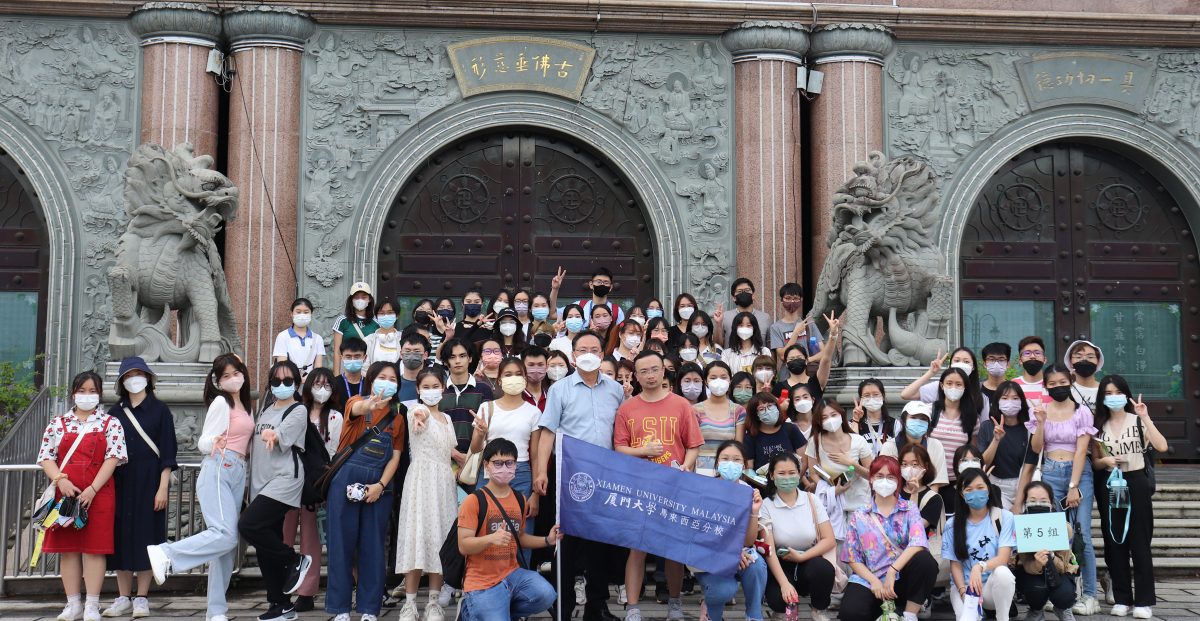
The Centre’s innovative features are threefold.
First, professors will lead students from various countries in on-site fieldwork throughout Malaysian towns and villages, nurturing students’ enthusiasm and research skills while cultivating a new generation of scholars in Malaysian Chinese studies.
Second, through these research activities, international students will gain insights into how Malaysia’s geographical environment shapes regional histories and transnational networks, thereby deepening their understanding of Malaysian history.
Finally, by documenting the networks of clans, dialect groups, businesses or shipping guilds, and local deities’ temples that connect Malaysia with South China and the broader Southeast Asian region, the Centre promotes a bottom-up interpretation of regional and cultural history. This perspective complements and challenges the top-down narratives established by colonial and post-independence governments, thereby enriching the depth and diversity of Malaysian Chinese studies.